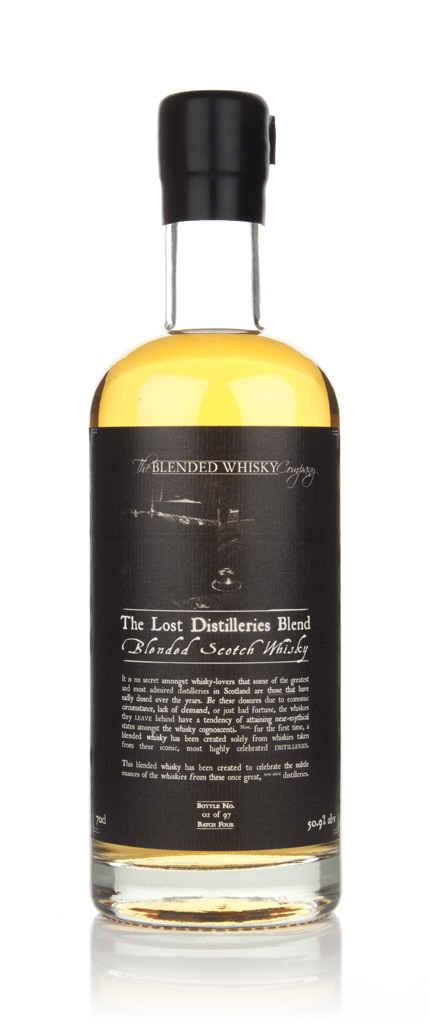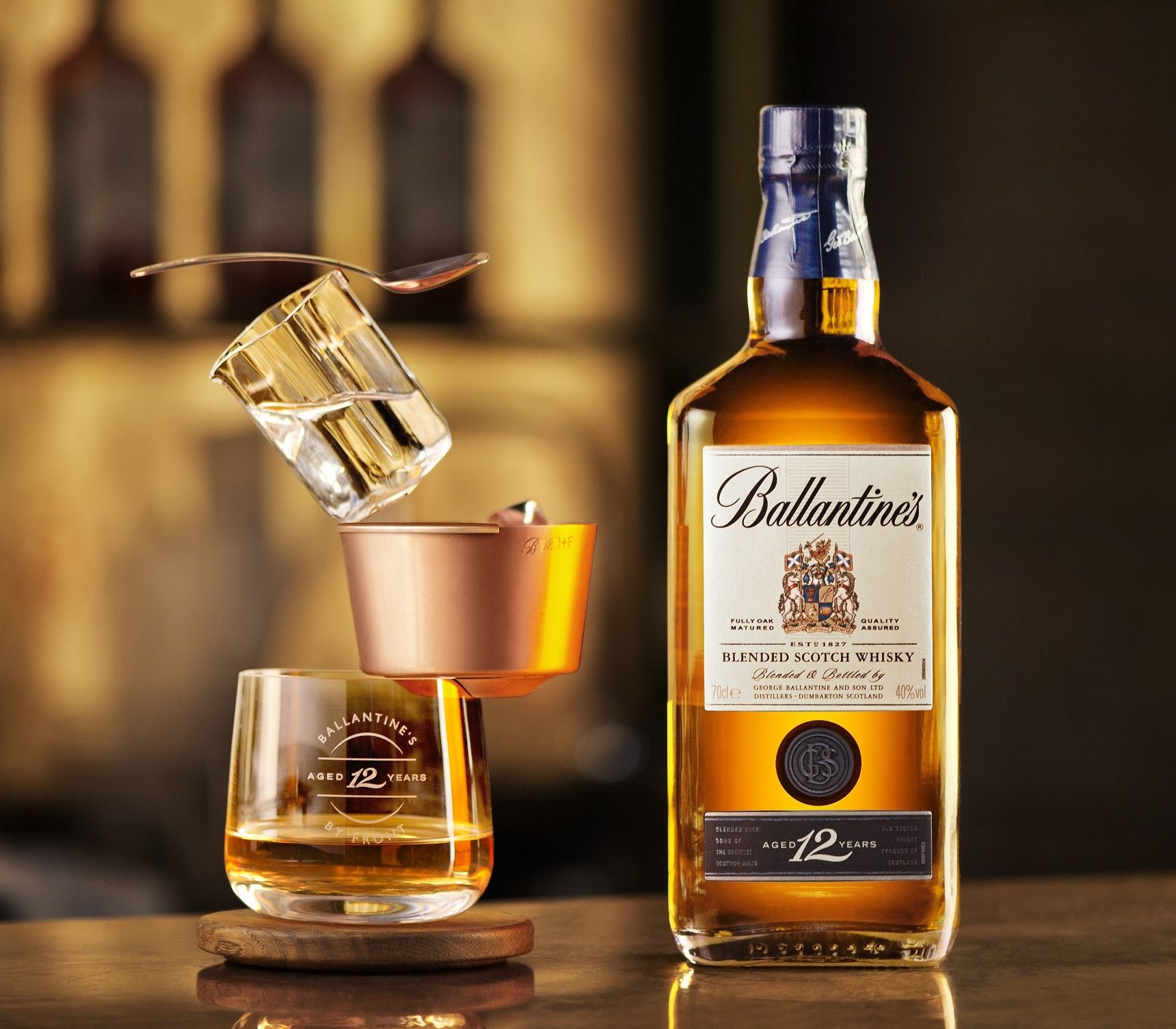


At the start of this year, I made a promise to myself to try more blended whisky, a fact I wrote about on this piece on Ballatine’s and this other piece on Compass Box. I didn’t want to find myself locked in a whisky box that was only filled with knowledge of single malts, nor did I want to only be writing about that style for you, dear reader.
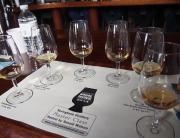
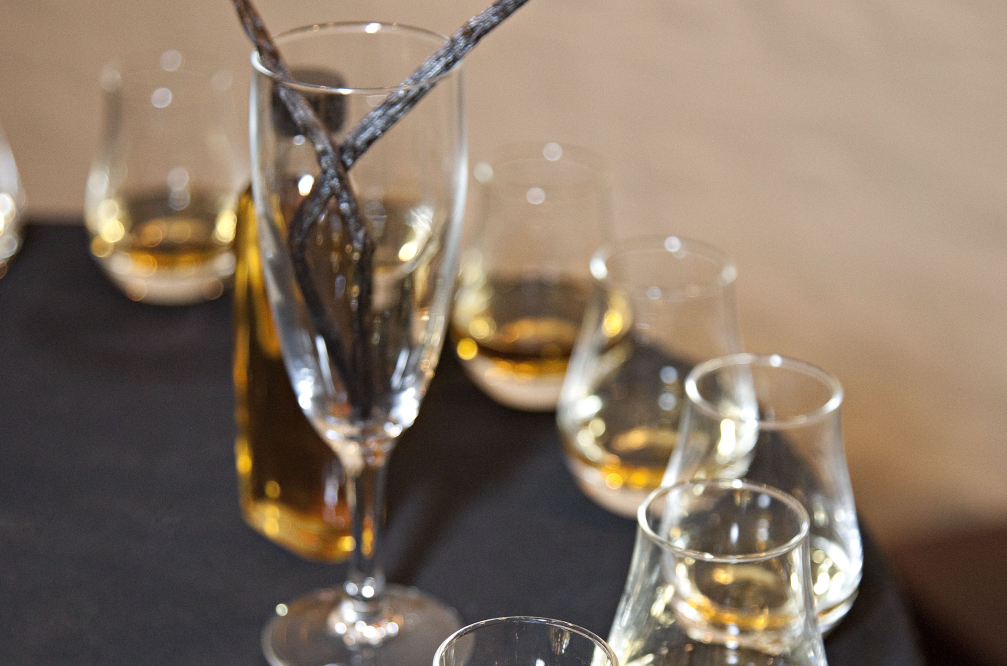
And so when I was recently invited to an event with Johnnie Walker that was to be all about blends, I was more than curious. The event was hosted by Diageo to launch its signature blended whisky brand’s latest Directors’ Blend – a yearly release of an extremely limited run (only 450 bottles or so) of a special Johnnie Walker blend given as gifts for employees of the whisky giant. The company has been doing this since 2008 and the new 2012 edition is its fifth run. The plan is to do a 2013 version to complete the set.
But the night was not just about the whisky itself. After all – as was questioned by a fellow guest – what point would there be in trying whisky that will never be released to the public and writing reviews about it? In fact, the evening was more about discussing blends and their importance, as Dr Nick Morgan – head of whisky outreach for Diageo – explained.
“Over 95% of whisky sales are for blends, despite the fact that in the past 20 to 30 years, a huge amount of money has been put into developing malt whisky. Yet, 95% of what is written about is about single malts, and that irks me a bit.”
It’s hard to deny him that point. The majority of pieces I read on whisky – and, as mentioned, I am no exception as I contribute to that written content – tend to be about single malt.

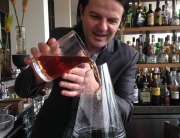
Dr Matthew Crow, Diageo blender
Now, this isn’t entirely surprising. Whisky is generally seen as a higher end product and – while there are certainly blends that fit into this category – it is single malts that captain that space. Equally, there has been such a push on single malts recently in both the marketing and press spheres that it is no wonder blends can sometimes get forgotten about. And, finally, I think many of us have potentially had a bad experience drinking blended whiskies at a young age (I know many friends who espouse their hatred of whisky to this fact) and so single malts are seen as being less rough and more refined for the palate when we do come back to drams.
But that does not mean, in any way, shape or form, that blends should be disregarded. As I’ve been told many times by various whisky commentators: a very good blend can be enjoyed just as much as a very good single malt and there is an incredible amount of skill which goes into their creation.
The idea behind the Directors’ Blend was to showcase that skill and for the master blenders to have the chance to make something a bit different. According to Dr Matthew Crow, one of the blenders, each year has focused on a certain ‘cardinal’ – which is the Johnnie Walker term for a group of whiskies blended together to make a certain style, titled as Highland Malt, Highland Smoke, Island Smoke, Grain, Speyside Fruit and Light Lowland, each of which also has certain wood preferences. These six ‘cardinals’ are then generally blended together to create the staple Johnnie Walker blends.
The skill, then, comes from the ability of the blenders to not only decide when each cask (out of the more than seven million currently maturing for Diageo’s brands) is ready but also to manage that stock so they know they won’t, suddenly, run out of the components for Johnnie Walker Blue Label, for instance. They then have to put it all together and develop new blends – such as last year’s Johnnie Walker Platinum – to satiate an ever-growing appetite for whisky in emerging markets like Nigeria, Mexico and China.
From Matthew’s talk, it was clear all of this is no easy task. In fact, it all sounded bloody complicated – and fascinating. While in single malt, blenders have to put together stock from their own distillery to create a uniform product, in blended whisky those casks are coming from all around Scotland and each has its own style and characteristic that has to be worked together.
Now, of course, there are ‘recipe’ books for these things – the ‘cardinal’/’building block’ approach to blending has been a practice at Johnnie Walker since the late 19th century but even those would have shifted with time as certain casks (such as sherry casks) were more popular in the late 19th and early 20th century, while American ex-oak Bourbon casks didn’t become popular until after the Second World War.
The Directors’ Blends that have been released have each focused on one of the cardinals, such as the one released in 2009 that was full of sweet, salty smoke as a tribute to ‘Island Smoke’, and each was made to celebrate the skills of Johnnie Walker blenders over the years.
 So, in the end, what did I think of the drams?
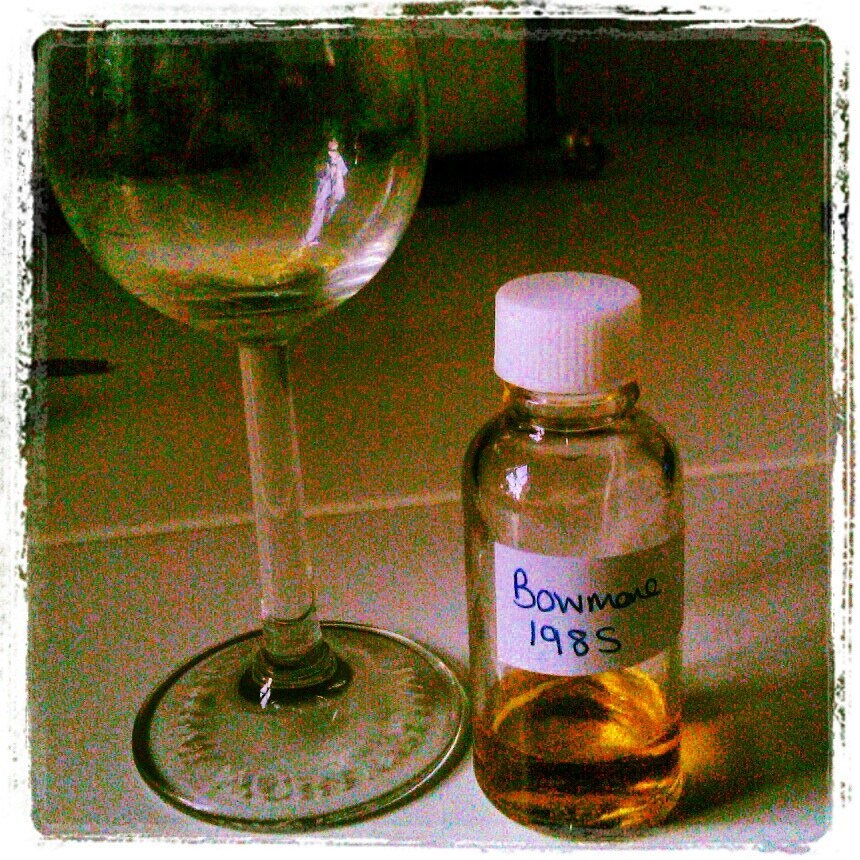
Well, the 2012 version was a real mix of Christmas elements like marzipan, pine needles, melted sugar and butter on the nose. On the palate, a tropical vanilla and sugary sweet fruit emerged before a slightly bitter finish capped things off.
My favourite was the 2011, however, which used a mix of casks including some new American oak ones. On the nose I was reminded of fresh springtime flowers, cedar chests and a woodshop in the crisp spring air. It had a fantastic sweetness I characterise as an outdoorsy sweetness. On the palate, there was a dash of cinnamon and new wood, oak-aged Calvados, and a nuttiness that was akin to raw almonds. It was, for me, a springtime dram that brought back memories of life on my Canadian farm as a child: partially frozen mud, fresh daffodils, warm sunshine and hay that’s been around all winter combined with the smell of the inside of the cedar chest that sat in our lounge. With a bit of water, a dash of chocolate covered ginger emerged for me.
In the end, I was once again shown that blends can be complex, intriguing and a hell of a lot of work to put together. I don’t doubt there will be naysayers among you or those that feel blends are simply products pumped out by large companies to make a profit. But, I’m finding myself impressed more and more often and I look forward to sharing my continued discovery of blends with you.